

 +1-786-272-2672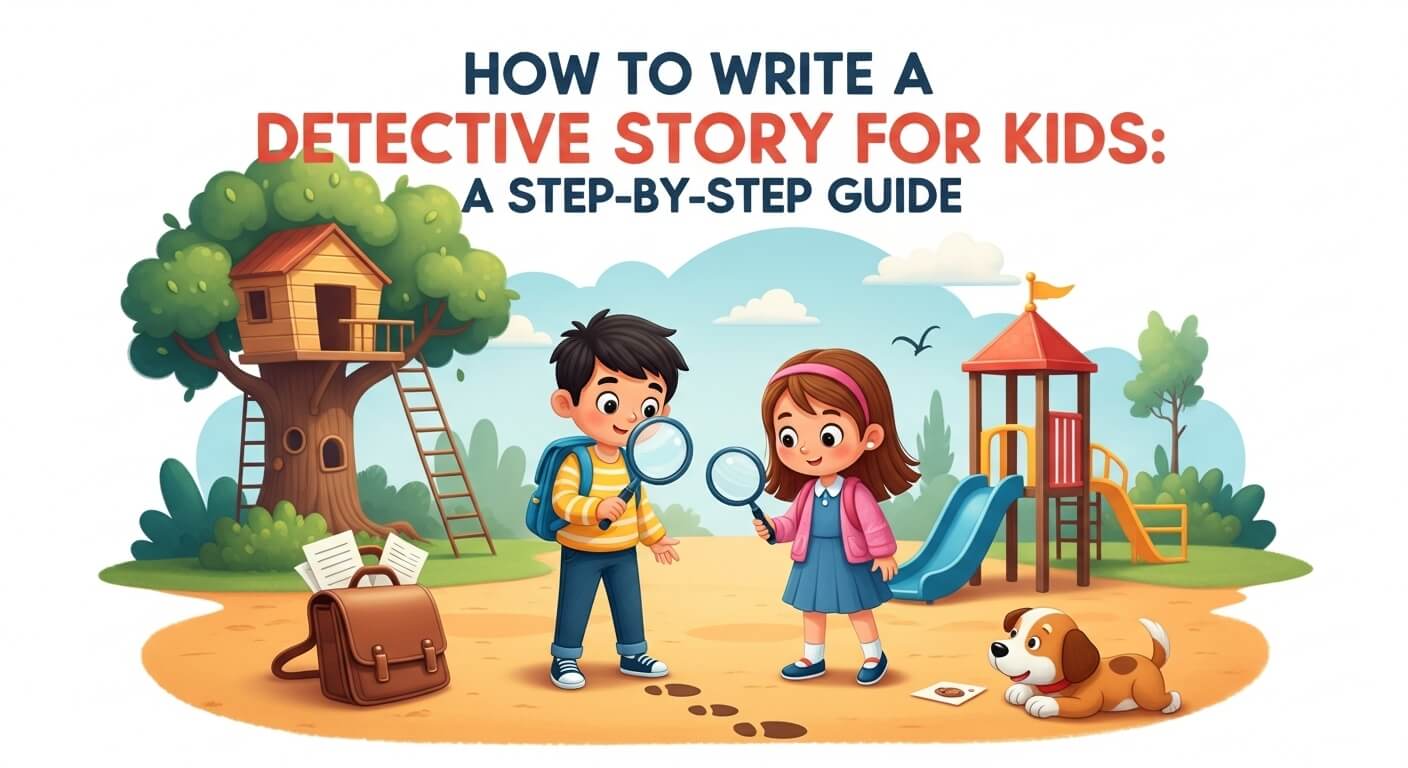
Detective stories have a special magic. They invite kids to think critically, follow clues, and experience the thrill of solving puzzles—all while being entertained. As an aspiring children’s author, you have the power to craft stories that not only engage young readers but also inspire their curiosity and creativity.
However, writing a detective story for kids isn’t quite the same as writing for adults. The themes, language, and tone need to be carefully balanced to keep the mystery fun, age-appropriate, and exciting. In this guide, you’ll learn how to create a detective story that hooks kids from the first page to the very last.
Why Detective Stories Appeal to Young Readers
Before diving into the writing process, it’s important to understand why detective stories resonate so strongly with kids.
- They encourage problem-solving: Young readers love piecing together clues and trying to outsmart the detective.
- They foster curiosity: Mysteries naturally draw children into the story, making them eager to find out what happens next.
- They offer adventure in relatable ways: Whether it’s solving who stole the cupcakes or uncovering a secret in the attic, the stakes feel exciting without being too scary.
Recognizing these elements will help you design a story that taps into what kids truly enjoy.
Step 1: Create a Detective Kids Will Root For
Every memorable detective story begins with a strong lead character. For kids, this detective should feel relatable and inspiring—someone they can imagine being themselves.
Develop a Unique Sleuth
Consider these options:
- The kid detective: A smart, observant childlike Nancy Drew or Encyclopedia Brown will instantly connect with young readers.
- A team of friends: Group dynamics can add humor, tension, and teamwork lessons.
- An animal detective: A clever dog or mischievous cat can bring a fun, whimsical twist to your story.
Also, give your sleuth distinctive traits. Maybe they love solving riddles, have a knack for noticing tiny details, or always carry a lucky magnifying glass. These touches make your protagonist stand out.
Step 2: Pick a Mystery That Matches Their World
The best mysteries for children feel big and important within a kid’s everyday world. While adults might dismiss the stakes as small, they’re monumental from a child’s perspective.
Fun and Age-Appropriate Mystery Ideas
- Who is secretly leaving riddles in the school library?
- Why do the bake sale cupcakes keep disappearing?
- Where did the missing class pet go before the science fair?
- Who’s sneaking glittery footprints through the playground at night?
Keep the stakes lighthearted but meaningful, avoiding themes that might frighten young readers.
Step 3: Build an Engaging Setting Full of Secrets
A rich setting can add layers of intrigue to your mystery. Think about places where kids might naturally want to explore and imagine clues hiding.
Create an Immersive World
- A treehouse detective headquarters with secret maps
- A summer camp with hidden trails and mysterious cabins
- An old library filled with creaky floorboards and dusty corners
Incorporate sensory details—squeaky doors, flickering lights, or the faint smell of cinnamon cookies—to bring the world alive for readers.
Step 4: Introduce a Colorful Cast of Characters
No mystery is complete without a list of suspects and supporting characters. These figures give your sleuth people something to investigate—and keep readers guessing.
Populate Your Story Thoughtfully
- The nervous librarian who knows more than they’re saying
- The mischievous class clown who loves pranks
- The grumpy neighbor who seems to dislike kids altogether
Give every character a possible motive—even if they’re innocent. This approach keeps young readers actively involved in solving the case.
Step 5: Scatter Clues and Red Herrings Strategically
Clues are the heart of any mystery. Without them, the story feels flat. But too many obvious hints will ruin the fun.
Plant Clues Naturally
- A smudge of chocolate on someone’s sleeve near the missing cupcakes
- A crumpled note in secret code
- A muddy footprint in the hallway
Use Red Herrings Wisely
Red herrings—false clues—should lead kids in the wrong direction just long enough to keep them surprised. However, ensure that each one still fits logically into the plot to avoid frustrating your readers.
Step 6: Keep the Suspense Alive
To keep young readers hooked, every chapter should end with a sense of anticipation.
Building Tension Effectively
- End scenes with a new discovery or twist.
- Let your detective make mistakes along the way; it makes their eventual success more satisfying.
- Balance suspense with moments of humor or friendship to keep the tone fun and lighthearted.
Step 7: Craft a Satisfying Ending
Kids love a strong resolution. As you tie up loose ends, make sure all clues fit together so readers can look back and say, “Of course! How did I not see that before?”
Elements of a Great Ending
- The sleuth explains how the clues led to the culprit.
- The true motive is revealed.
- The detective earns recognition—maybe a “junior detective badge” or a heartfelt thank-you from friends.
Make It Interactive for Young Readers
Why not involve kids directly in the mystery?
- Include riddles or codes that they can solve themselves.
- Add simple illustrations of clues or suspect lists.
- Pose a challenge at the end: “Did you figure it out before our detective did?”
These extras transform your story from a passive read into an active adventure.
Common Mistakes to Avoid
- Overcomplicating the plot—clarity is essential for younger audiences.
- Making the detective flawless—quirks and mistakes make them more endearing.
- Leaving loose ends—resolve every clue to create a sense of closure.
Bring Your Story to Life with Expert Support
Writing a children’s detective story is a rewarding creative journey, but sometimes you need guidance to polish your ideas into a publish-ready manuscript. That’s where professional support comes in.
BestSeller Ghostwriting specializes in helping authors craft engaging children’s stories from start to finish. Whether you need help with plotting, editing, or publishing, their team of experts ensures your story meets the highest standards.
Explore their book writing services to see how they can help you turn your detective story into a timeless classic. Or browse their blog for writers for practical tips and inspiration to refine your craft.
In Summary: Your Detective Story Starts Here
Writing a detective story for kids is your chance to combine logic, laughter, and creativity into a tale young readers will cherish.
- Design a detective they’ll adore.
- Create a mystery that keeps them guessing.
- Layer in clues, surprises, and satisfying twists.
With careful planning and a dash of imagination, you’ll be well on your way to writing a children’s mystery that sparks joy and curiosity. And if you’d like to refine your manuscript or get expert feedback, remember that BestSeller Ghostwriting is just a click away.
So, are you ready to create a mystery that young readers won’t be able to put down?


