

 +1-786-272-2672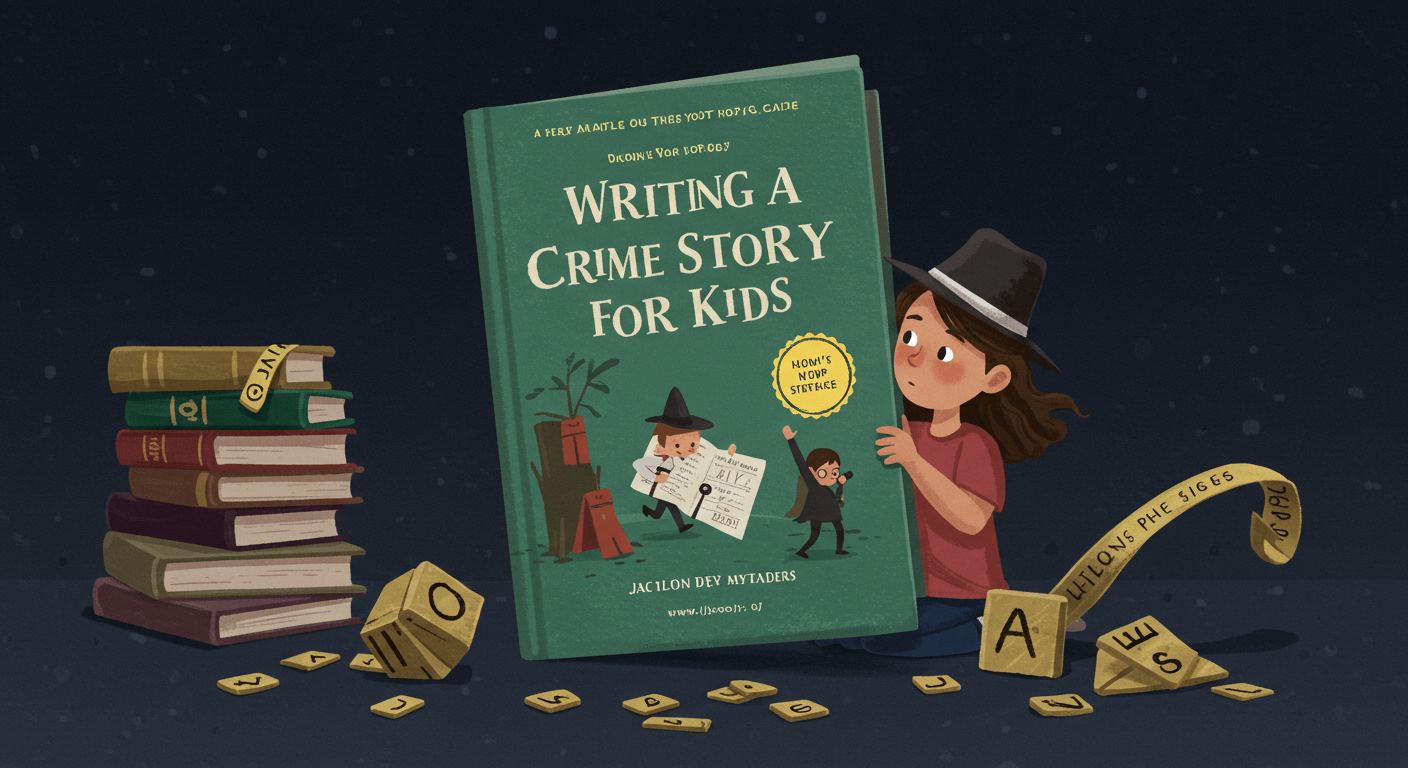
Writing a crime story for kids is a delightful challenge that blends creativity, wit, and a deep understanding of young readers’ minds. Children are naturally curious, and a well-crafted mystery gives them the chance to step into the shoes of a detective—solving clues, asking questions, and uncovering secrets along the way.
But crafting a story that’s thrilling without being too intense, clever yet accessible, and full of heart takes a careful approach. From designing lovable young sleuths to plotting puzzles that spark imagination, every element must strike the right balance. In this guide, we’ll explore how to create a children’s crime story that entertains, engages, and leaves readers excited for the next big case.
Understanding Why Young Readers Love Mysteries
Above all else, children are drawn to mystery because it invites them to participate. Indeed, they relish:
- Problem-solving opportunities—they want to deduce, infer, and feel smart.
- Tension mixed with safety—just enough suspense without ever feeling frightened.
- Triumph and satisfaction—uncovering the solution brings real joy.
Consequently, a successful mystery isn’t just about what happened—it’s about inviting kids into the puzzle in a way that feels empowering.
Know Your Audience: Tailoring Content by Age
First and foremost, always match your story to the reader’s age:
- Ages 5–8: Focus on straightforward, light-hearted mysteries—maybe a missing teddy or a secret clubhouse. Use concrete language and simple sentence structures.
- Ages 9–12: It’s safe to layer in subtle clues, mild red herrings, and deeper character arcs—while still ensuring the tone remains upbeat.
Moreover, it’s essential to steer clear of anything too dark or violent. Your “crime” should be something that feels whimsical: a stolen trophy, a disappeared note, a sneaky prank. Think along the lines of Cam Jansen or A to Z Mysteries, where the stakes are low, but intrigue remains high.
Developing a Compelling Kid Detective
Next, let’s build the hero of your mystery—the young detective:
- Curiosity should be their driving force. Maybe they collect stamps—or clues—and delight in noticing what others overlook.
- Give them a unique talent, such as pattern recognition or humor, to make them stand out.
- Balance that with charming imperfections—perhaps they freak out at spiders, trip over their shoelaces, or blush when they’re nervous.
In addition, a sidekick can elevate the dynamic. Whether it’s a fluffy pup, a witty friend, or an opinionated younger sibling—they add energy, humor, and perspective.
Choosing an Engaging Setting
So, where do your sleuthing adventures take place? Your setting should feel vivid and immersive. For instance:
- School: Maybe someone swapped art supplies during recess.
- Neighborhood: An attic in the old corner house hides a mysterious clue.
- Camp: Someone stole the winning flag in the middle of the night.
Furthermore, enrich the scene with sensory details—whispering trees, creaky floorboards, colorful lockers. This ensures young readers don’t just read about the setting—they step into it.
Constructing a Clever—but Clear—Mystery Plot
Once the stage is set, it’s time to plot the mystery:
- Define the crime—perhaps the cafeteria cookies vanish en route to a bake sale.
- Plant clues early—maybe a crumpled napkin near the crime scene or an unfamiliar boot print.
- Introduce a minor red herring—a suspicious friend who’s actually innocent.
- Build suspense—end chapters with questions like: “Who left the sticky note behind the bookshelf?” or *“Is that a whisper in the dark?”
Remember, you want to challenge readers—but not overwhelm them. The goal is to guide them through the puzzle with just enough complexity to feel clever when they solve it.
Balancing Humor, Heart, and Mystery
Next, sprinkle in your emotional and comedic ingredients:
- Humor: Silly binoculars, eccentric disguises, or code words (“Banana Banana!” to signal danger) keep the tone lively.
- Heart: Maybe the lunch thief was only trying to feed a lost kitten, or the missing trophy reveals a story of teamwork rather than competition.
- Character interaction: Let scenes between detective and sidekick breathe with playful banter or heartfelt encouragement.
This combination ensures the story delights emotionally just as much as it intrigues intellectually.
Structuring Your Crime Story: Act by Act
A well-structured plot helps both writer and reader navigate the mystery. Here’s a refined act breakdown:
Act I: Hook & Setup (Chapters 1–2)
- Introduce your sleuth: Show them in their everyday world, maybe practicing a hobby or chatting with neighbors.
- Present the mystery: The stolen item, the suspicious noise, the note found under a desk.
- End with a mini cliffhanger: “What if the cat’s pawprint doesn’t match any of the classmates?”
Act II: Investigation & Red Herrings (Chapters 3–7)
- Gather clues: Interview classmates, dust for fingerprints (pretend flour!), follow a mysterious trail.
- Add tension: Someone suddenly warns the sleuth to “stop asking questions”—or maybe a storm interrupts the night search.
- Introduce a red herring: A friend who’s acting weird but is actually helping fix a surprise.
Act III: Discovery & Reveal (Chapters 8–10)
- Piecing the clues together: A final puzzle—perhaps a hidden message in a locker combination.
- Confrontation: The detective gently confronts the culprit, who admits and explains their motives.
- Resolution: The stolen item is returned, friendships are mended, and the mystery is solved.
- Sequel tease: “But wait… what’s this dusty envelope tucked behind the chalkboard?”
Enriching Your Story with Extras
To make your mystery more immersive, try:
- Illustrations or clue sheets: A drawing of the victim’s missing medal or a coded message for readers to decipher.
- Sneak-in fun facts: Did you hide a clue about forensic science—like how to lift fingerprints? Just a line or two adds depth.
- Bonus writing prompts: At the end of the book, you might suggest: “Try writing your own clue. Where would you hide it? Why?”
If you’re looking to polish your manuscript or add professional flair, check out Bestseller Ghostwriting—their expert team helps aspiring authors shape engaging stories children will adore.
Expert Tips & Transitions for a Smooth Read
Here are some refined author tips—with natural transitions to keep SEO strong:
- Furthermore, keep sentences crisp and dynamic—short paragraphs help younger readers stay focused.
- Additionally, weave sensory details—like the smell of pine in the camp or the chalky dust in the classroom—to deepen immersion.
- Moreover, plan your clues in advance. A mystery outline ensures each hint leads logically to the next.
- Similarly, test your manuscript on real kids. Their feedback can highlight whether clues are clear or confusing.
- In addition, consider adding a companion blog post about mystery writing techniques. Speaking of which, Bestseller Ghostwriting’s blog offers excellent insights into improving narrative pacing and character development.
Learning From the Masters
To round off your expertise, explore these beloved series:
- Cam Jansen by David A. Adler—smart child detective with a photographic memory.
- A to Z Mysteries by Ron Roy—prototypical elementary school sleuths and their clever cases.
- The Boxcar Children by Gertrude Chandler Warner—mysteries built around resourceful siblings.
- Encyclopedia Brown by Donald J. Sobol—short, clever, and packed with puzzles.
These examples demonstrate effective pacing, engaging clues, and emotional warmth—elements you can adapt to your own work.
Final Words from an Authorial Expert
Ultimately, writing a crime story for kids is about letting them “play detective” in a safe, imaginative world. By combining mild suspense, charming characters, and interactive clues, you create a reading experience that both entertains and empowers.
So, what’s your first step? Sketch out your sleuth, choose a setting you love, and draft your opening scene. And if you feel ready to refine it further—enhancing narrative flow, character voices, or plot coherence—remember that the team at Bestseller Ghostwriting is ready to help every step of the way.


