

 +1-786-272-2672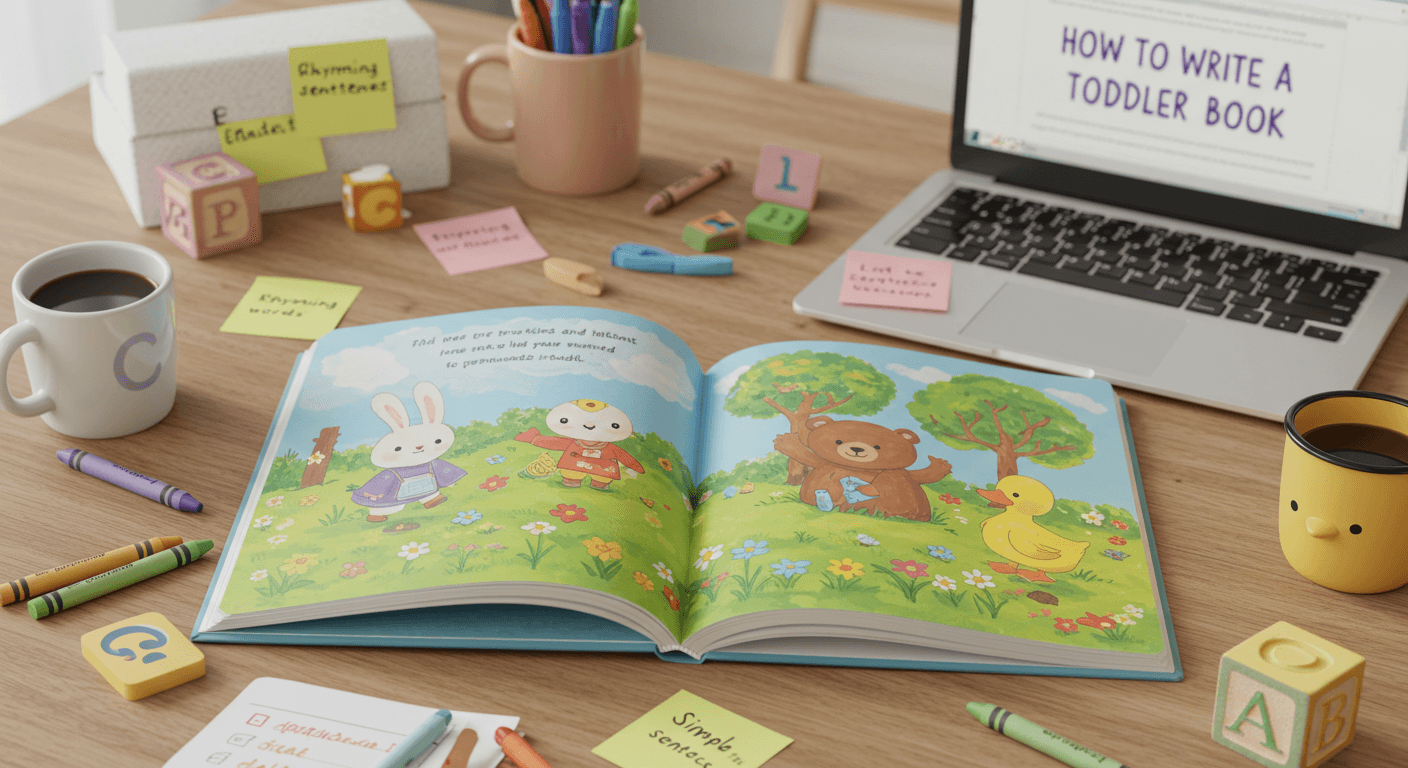
Writing for toddlers is an incredibly rewarding yet demanding craft. On the surface, toddler books look simple—but if you’ve ever tried to write one, you know how deceptively difficult it is to capture their attention.
As a seasoned expert in children’s literature, I’ll guide you through every step, from idea to publication, while highlighting key transition words to improve readability and SEO. In addition, I’ve added links to Bestseller Ghostwriting’s services and relevant blog content to help you take action.
Why Writing For Toddlers Is Both Art And Science?
First and foremost, toddlers are language explorers. Meanwhile, parents are gatekeepers—they decide which books become family favorites. Therefore, your mission is twofold: create a story that toddlers adore and parents’ trust. In doing so, you’re planting early literacy seeds that grow with each reading.
Step 1: Immerse Yourself In A Toddler’s World
Transitioning from your adult perspective to a toddler’s mind can be eye-opening. For starters, toddlers love repetition and routines. Furthermore, they learn through predictable patterns and sensory cues. Consequently, your story will stand out if it mirrors their daily experiences.
Similarly, choose a language that’s not only simple but rhythmical. For instance, short phrases like “time to jump” or “time to rest” can be highly engaging. Plus, they tie into familiar routines, which brings comfort and second-time success.
Step 2: Choose A Theme That Feels Immediate And Relatable
While there are countless toddler themes, the most successful ones are grounded in routine, emotion, and sensory learning. Here are a few timeless topics:
- Bedtime rituals: Toddlers respond beautifully to soothing patterns.
- Counting and ABCs: Additionally, they boost interactive learning.
- Everyday adventures: A walk in the park, learning to share, exploring shapes.
- Big feelings: Joy, curiosity, disappointment, or excitement—emotion drives engagement.
Therefore, pick a theme that organically inspires imagery and lends itself to gentle repetition. If you’d like a consultation or editorial help, consider Bestseller Ghostwriting’s book planning services. Moreover, their experts can help you nail your theme so that it resonates authentically.
Step 3: Build A Story That’s Focused, Flowing, And Fun
Overall, toddler books should be under 500 words. However, they must still feel complete and satisfying. Here’s how to hit that balance:
- One central idea: For example, “Let’s learn how to say good morning” or “A bunny wants to find its lost toy.”
- Repetition for emphasis: Try repeating key lines, like “Where is Fluffy? Where is Fluffy?”
- Rhythm and rhyme: Including near-rhymes or simple rhyme schemes makes the text sing.
Because toddlers learn by hearing and repeating, rhythmic writing encourages vocal play. On top of that, it gives you an oral beat that feels almost musical.
If you’d like a model template, check out this insightful post in the Bestseller Ghostwriting blog.
Step 4: Create Endearing, Relatable Characters
In toddler books, characters don’t need complexity—they need heart. Often, animals work well since they’re gender-neutral and culturally universal. Regardless, you should:
- Use short names, like “Milo,” “Luna,” or “Pebble.”
- Show clear actions and expressions that toddlers can mirror or feel.
- Keep scenes simple—a backyard, a puddle, or a cozy bedroom.
Consequently, your character becomes a friend. Plus, relatable gestures—like yawning or hugging—make emotional connections that invite toddlers to turn pages.
Step 5: Image-Text Harmony Matters
Without question, illustrations carry as much weight as words. For that reason, collaborate with an illustrator who specializes in toddler visuals. Together, you’ll want to sync text and image flow. As a result, each spread becomes an immersive experience.
Consider this: a two-page spread might read,
“Mia splashes in the puddle.
Bumble the bear splashes, too!”
Meanwhile, the illustration can show splashes, rain boots, and happy faces. Therefore, text and art play off each other to create a memorable moment.
If you need help choosing the right illustrator or putting the book together, explore Bestseller Ghostwriting’s full ghostwriting and illustration coordination services.
Step 6: Design With Toddlers In Mind
Typically, toddler books come in board book or picture book format. Hence, they require sturdy durability and a user-friendly design:
- Use large fonts with high contrast against backgrounds.
- Include white space to frame the visuals.
- Stick to one idea per page, so toddlers don’t feel overwhelmed.
In addition, flaps, textures, and endings with questions like, “Can you point to the red ball?” encourage interaction. Not only does this encourage engagement, but it also improves word-of-mouth appeal—especially among parents searching for educational tools.
Step 7: Test, Refine, And Polish With Experts
Once you’ve drafted your manuscript, read it aloud several times. Does it flow? Do you feel the rhythm? Next, conducting toddler read-aloud sessions can reveal unexpected areas for improvement.
After that, get professional feedback from a children’s editor, such as those available through Bestseller Ghostwriting’s editorial team. From pacing to word choice, expert input ensures your book is polished and market-ready.
Step 8: Choose The Best Path To Publication
At this juncture, you’ll need to choose between two routes:
Traditional Publishing
You’ll submit query letters to publishers or agents—especially those who specialize in early childhood books. With any luck, they’ll handle everything from illustration to promotion.
Self‑Publishing
In this route, you retain full control. You’ll oversee team building, project management, and marketing. On the upside, platforms like Amazon KDP offer fast distribution. On the downside, it requires front-end investment.
Fortunately, Bestseller Ghostwriting offers a turnkey self-publishing package that handles formatting, uploading, and distribution. Moreover, they’ll guide you step‑by‑step to release with confidence—and quality.
Step 9: Market Your Book Like A Pro
In today’s crowded market, even the sweetest toddler book needs visibility. Furthermore, parents appreciate authenticity, so showcase your story’s journey:
- Use Instagram and Facebook to show behind-the-scenes glimpses: your illustration sketches, reading at home.
- Partner with early-childhood influencers or bloggers for honest reviews.
- Offer storytime events at libraries, bookstores, or community centers.
- Don’t forget email marketing: gather sign-ups during your readings and follow up with “thank you” bundles or coloring sheets.
Meanwhile, track key metrics—sales, website visits, or social engagement—to refine your marketing plan over time.
Common Pitfalls—and How to Avoid Them
- Too much complexity: If you’re unsure, cut back and choose clarity.
- Cluttered pages: Always balance words and visuals—less can be more.
- Skipping toddler feedback: Real toddlers are your best editors.
- DIY everything: A professional illustrator, editor, and formatter can elevate your book.
Final Thoughts
In conclusion, writing a toddler book is a beautiful, creative journey that demands intention and craft. Moreover, your words and pictures will help children see their world with fresh eyes.
Therefore, as you start drafting today, remember: consistency, care, and connection are your guiding stars.
If you’d like next steps, I highly recommend visiting the Bestseller Ghostwriting blog or exploring their full suite of ghostwriting services—from planning to publishing.
Together, let’s bring your toddler-friendly masterpiece to life. Happy writing!


