

 +1-786-272-2672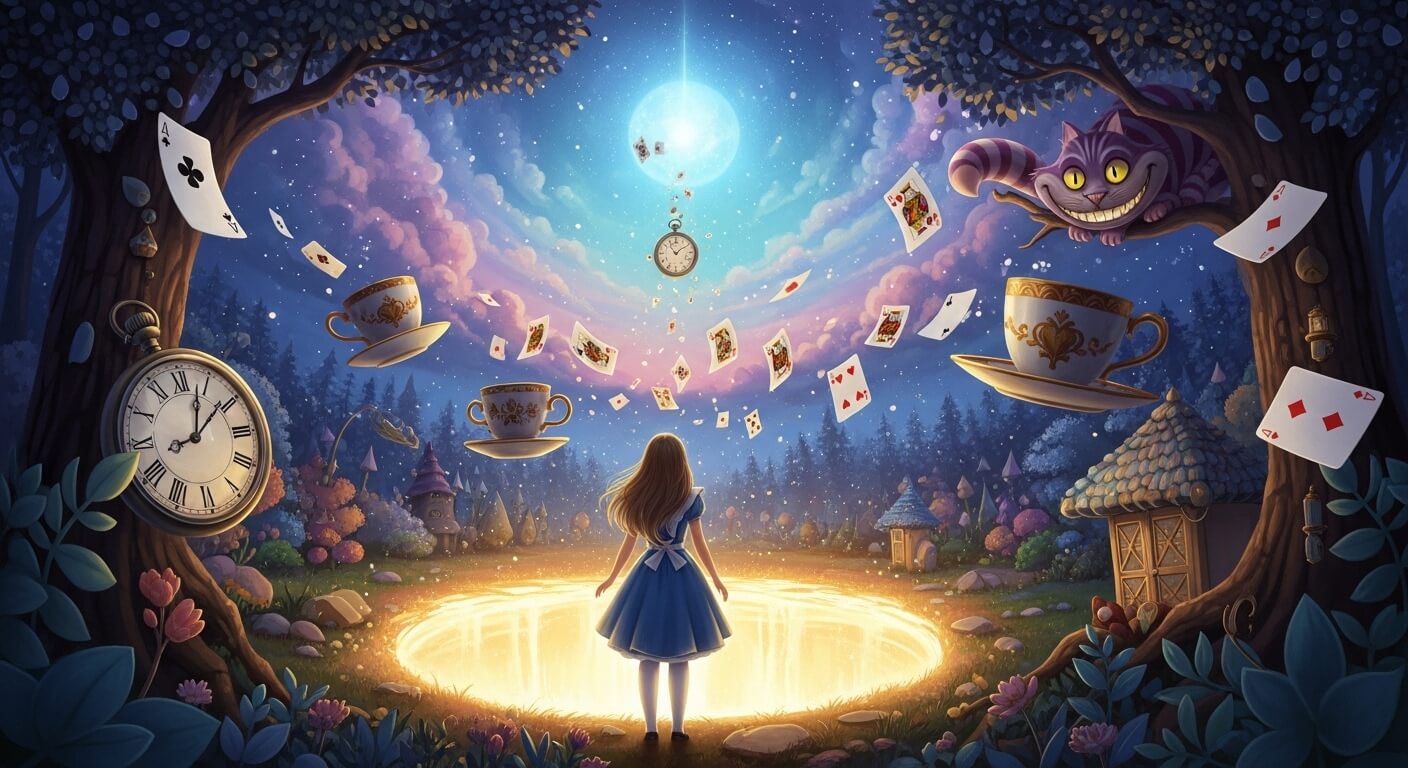
If there’s one book that continues to captivate readers, writers, and even publishers after more than 150 years, it’s Alice’s Adventures in Wonderland. Lewis Carroll’s masterpiece isn’t just a whimsical tale of a girl who falls down a rabbit hole; it’s a literary wonderland in itself, full of absurdities, wordplay, and hidden layers of meaning.
Writing a book review on Alice in Wonderland is a bit like stepping into Carroll’s world: fun, puzzling, and endlessly intriguing. But how do you write a review that feels fresh, insightful, and engaging, especially when so much has already been said about this classic? Whether you’re crafting a review chapter by chapter, submitting it to a publisher, or even working with a ghostwriting agency to polish your thoughts, this guide will walk you through every step.
Why Alice in Wonderland Is More Than Just a Children’s Story
Before diving into your review, it’s worth reflecting on why this book deserves such enduring attention. On the surface, it’s a playful children’s story filled with eccentric characters and nonsensical events. But underneath, it’s a satirical commentary on Victorian society, language, and logic.
This is why editors and publishers often regard Alice in Wonderland as a prime example of a text that transcends age and genre. A good review should explore both aspects—the childlike wonder and the literary sophistication.
Start Your Review With a Strong Hook
An engaging book review begins with an introduction that draws readers in. Instead of launching straight into analysis, start with a personal observation, a famous quote from the book, or a question that piques curiosity.
“Have you ever felt like the world around you was spinning into delightful chaos? That’s exactly how I felt while reading Lewis Carroll’s Alice in Wonderland—a book where nothing makes sense and yet everything feels strangely profound.”
This not only sets the tone but also gives your review a personal touch, which ghostwriters often emphasize when crafting reviews for a wider audience.
Provide a Brief Summary Without Spoilers
In any review, a concise summary is essential. But with a story like Alice in Wonderland, avoid falling into the trap of retelling every event. Instead, offer readers a snapshot of what to expect:
“The story follows Alice, a curious young girl who stumbles into Wonderland—a fantastical realm where logic is turned on its head. From tea parties with the Mad Hatter to cryptic conversations with the Cheshire Cat, Alice’s journey is both bizarre and thought-provoking.”
If you’re writing for a publisher or collaborating with a ghostwriting agency, they’ll likely advise keeping this section tight and spoiler-free to maintain reader interest.
Dig Into the Themes and Symbolism
A review isn’t just about what happens in the story; it’s about what the story means. This is where your analysis comes alive.
· Identity and Growing Up
Throughout the book, Alice constantly changes size and questions who she is. This isn’t just a playful plot device—it reflects the confusion of growing up and the search for identity. As many editors would note, this theme resonates deeply with readers of all ages.
· Language and Logic
Carroll, a mathematician at heart, delights in wordplay, riddles, and logical puzzles. Wonderland’s nonsensical conversations force readers to question the very nature of meaning.
Talk About the Characters’ Quirky Charm
One of the reasons Alice in Wonderland has stood the test of time is its unforgettable cast of characters.
“The Cheshire Cat’s mischievous grin, the Queen of Hearts’ over-the-top tyranny, and the White Rabbit’s frantic watch-checking—they’re all larger than life. Yet somehow, they mirror real-world archetypes in the most bizarre and brilliant ways.”
This is where a ghostwriting agency might encourage reviewers to add personal anecdotes. For example, did a particular character remind you of someone? Did Alice’s curiosity resonate with your own childhood experiences? Adding these touches makes your review relatable.
Evaluate Carroll’s Writing Style
Carroll’s writing style deserves its own spotlight. His playful use of language, riddles, and poetry is what gives the story its unique texture.
“Carroll’s prose feels like a linguistic game, inviting readers to revel in nonsense while uncovering surprising truths. It’s witty, clever, and at times, dizzying—but that’s the magic of Wonderland.”
When editors critique reviews, they often remind writers to balance praise with honest observations. So, if you found the wordplay occasionally overwhelming, it’s okay to mention that.
Share Your Personal Impressions
A strong review isn’t just analytical—it’s personal. How did Alice in Wonderland make you feel? Did it transport you back to childhood? Did it challenge your thinking as an adult?
“For me, reading Alice in Wonderland felt like stepping into a dream I never wanted to leave. Even as an adult, I found myself marveling at the humor, the absurdity, and the quiet wisdom hidden in Carroll’s words.”
Publishers often prefer reviews that balance emotional connection with intellectual depth. So don’t shy away from sharing how the book impacted you.
Wrap Up With a Recommendation
End your review by suggesting who might enjoy the book. This helps readers decide whether it’s right for them.
“I’d recommend Alice in Wonderland to anyone who loves imaginative storytelling and doesn’t mind trading logic for a little madness. It’s perfect for readers of all ages, though its layered themes might appeal especially to adults looking for meaning beneath the whimsy.”
If you’re submitting this to a blog or working with a ghostwriting agency, this final section is also a great place to add a call-to-action, such as encouraging readers to revisit the book or explore its adaptations.
Why Reviews Like These Stand Out
When crafted thoughtfully, a book review does more than summarize—it invites readers into a conversation. In today’s publishing world, where countless reviews flood blogs and social media, the ones that stand out are those that feel authentic, insightful, and polished.
Many aspiring authors even hire ghostwriters to help them refine their reviews or collaborate with editors to make sure their voice comes through clearly. After all, good writing is as much about structure and style as it is about ideas.
Final Thoughts
Writing a book review on Alice in Wonderland is, in many ways, like wandering through Wonderland itself. It’s a process of discovery of the story, its meanings, and your own response to it. Whether you’re an aspiring reviewer looking to impress publishers or someone simply sharing thoughts on a blog, remember that your perspective matters.
In the end, Alice in Wonderland isn’t just a book you read; it’s a world you experience. And a great review will help others decide whether they’re ready to tumble down the rabbit hole too.


