

 +1-786-272-2672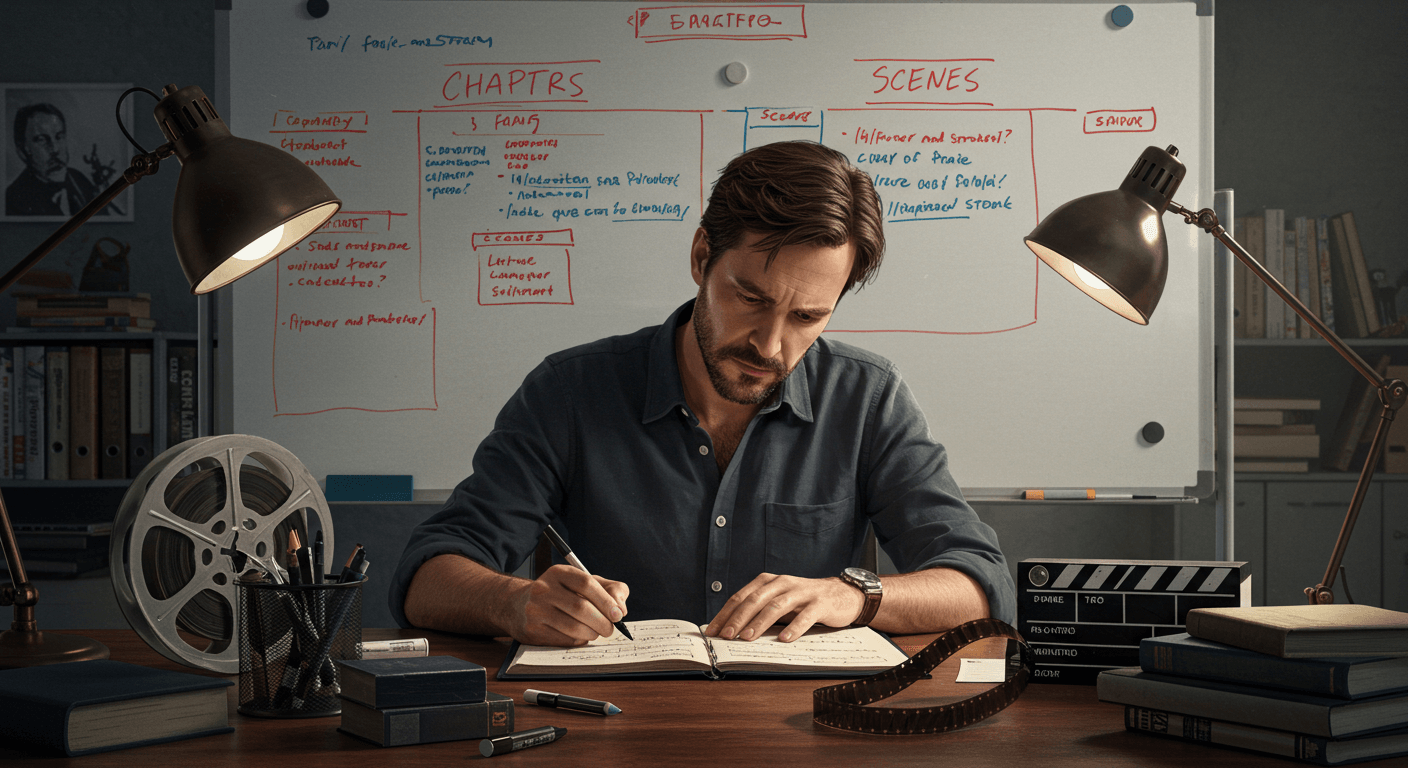
Ever wondered how bestselling novels make their way to the big screen? If you’re curious about how to write a book for a movie, you’re not alone. Many writers dream of seeing their characters brought to life under bright lights, their stories unfolding in front of millions. But creating a book that feels “cinematic” from the start takes more than just great storytelling—it requires strategy, structure, and a touch of Hollywood thinking.
Whether you’re an aspiring author, a seasoned writer, or someone with a story you just know would make a brilliant film, let’s break down how to craft a book with movie potential.
Start With A Cinematic Vision
When you’re aiming for your book to be adapted into a movie, it helps to think visually. Instead of only focusing on what’s happening inside your characters’ heads, ask yourself: How would this look on screen?
This doesn’t mean writing a screenplay—it’s still a book, after all. But chapters should feel like scenes, with tension, action, and dialogue that move the story forward. A reader should almost be able to “watch” the story unfolds as they turn the pages.
Many authors work with editors or even a ghostwriting agency early on to refine their manuscript for screen appeal. These professionals know what publishers and producers are looking for and can help shape your story to meet that sweet spot between page and screen.
Make Your Story Pop with Visual Storytelling
One of the biggest mistakes writers make is overexplaining emotions or backstories in long paragraphs. Movies don’t have that luxury—they show feelings and dynamics through action and dialogue. So, if you want your book to catch a filmmaker’s eye, write scenes that show, not tell.
Instead of:
“He felt completely lost without her and didn’t know how to move on.”
Try:
“He stared at her coffee cup on the table, the lipstick stain still fresh. His hand hovered over it, but he pulled back with a sigh.”
See how the second example paints a picture? That’s the kind of writing that sticks with both readers and potential producers.
Develop Characters Worth Casting
If a story is the backbone of a movie, then characters are its heart. When thinking about how to write a book for a movie, focus on crafting characters so layered and dynamic that an actor would be dying to play them.
- Give them clear motivations.
- Add flaws that make them human.
- Let them grow and change as the story unfolds.
Many successful authors collaborate with ghostwriters or editors to strengthen their character development. A ghostwriting agency experienced in cinematic storytelling can even guide you in refining arcs and personalities to suit both book lovers and filmmakers.
Understand Why Structure Matters
A strong structure makes your book feel like a movie waiting to happen. Even if you’re not writing a script, following a three-act structure can help:
- Act One (The Setup): Introduce the world, characters, and stakes.
- Act Two (The Confrontation): Build conflict and keep tension high.
- Act Three (The Resolution): Deliver a satisfying climax and emotional payoff.
This structure feels natural for readers and aligns perfectly with how movies flow. Editors often recommend this framework to authors looking to create more cinematic narratives.
Keep The Dialogue Tight And Snappy
Movies rely heavily on dialogue, and so should your book. Avoid overly long or stiff conversations that drag the pacing. Instead, aim for dialogue that feels natural, sharp, and full of subtext.
Here’s a tip: read your dialogue out loud. If it sounds awkward, rework it until it flows like real speech. Publishers and agents notice this kind of polish, and it makes adapting your book to a script much smoother later on.
Think About Adaptation Potential Early
While you’re still writing your book, consider how easy (or difficult) it would be to adapt. A sprawling fantasy with hundreds of locations and effects-heavy battles might excite readers, but could scare off film producers with its hefty budget requirements.
That doesn’t mean you can’t write ambitious stories, but keeping the practical side in mind might make your book more attractive for adaptation.
Build Your Author Platform
Here’s a little secret: publishers and producers love stories that come with an existing audience. A book that already has a following feels safer to adapt.
Start building your author platform now. Share snippets of your work online, grow a newsletter, or engage with readers on social media. The buzz you create around your story could be the thing that gets it noticed by the right people.
Work With The Right Professionals
Bringing your story to life often requires a team. This could include editors who understand what makes a book cinematic or ghostwriters who can collaborate with you to refine your vision.
A ghostwriting agency, especially one with experience in adaptations, can also help prepare your manuscript for submission to publishers and even help you pitch it to production companies. Having professionals in your corner makes the process less intimidating and increases your chances of success.
Protect Your Work Before You Pitch
Before you start sending your manuscript to agents, publishers, or producers, make sure your work is protected. Register your copyright to safeguard your intellectual property and ensure you get proper credit if your story makes it to the big screen.
This step might seem boring, but it’s crucial for any author dreaming of seeing their story adapted.
Turning Your Book Into A Movie: What’s Next?
The path from book to movie isn’t always straightforward, but it’s absolutely possible with the right mix of creativity and strategy. By writing with cinematic flair, developing memorable characters, and working with professionals like editors, ghostwriters, or a ghostwriting agency, you can give your story the best shot at making the leap from page to screen.
So, if you’re wondering how to write a book for a movie, start by writing the most compelling, visual, and emotionally rich story you can. Who knows? One day, you might be sitting in a theater, popcorn in hand, watching your words come alive.


