

 +1-786-272-2672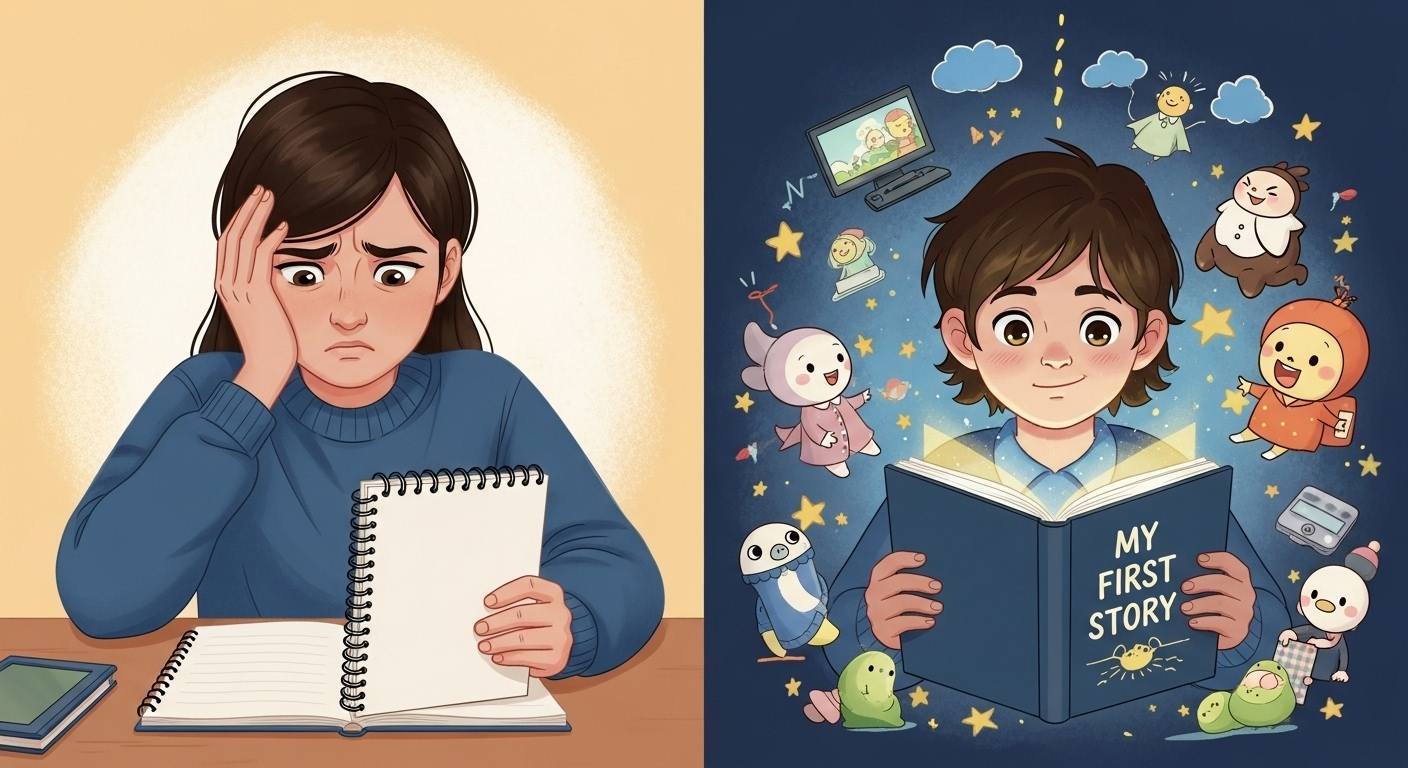
Story writing is more than just an exam requirement in Class 9—it’s an invitation to unleash your imagination, develop your creative thinking, and learn how to craft narratives that speak to the heart and mind. If you’ve ever struggled to begin a story or didn’t know how to end one, you’re not alone. But the good news is—story writing is a skill you can master with structure, strategy, and a touch of creativity.
This comprehensive guide will walk you through everything you need to write a high-quality story for Class 9, complete with examples, tips, and essential tools to help you write like a pro.
Pro Tip: Whether you’re a student or a parent helping one, structured storytelling improves not just language grades but also boosts creative confidence. And if you’re serious about writing, you can explore expert services at Bestseller Ghostwriting.
Why Story Writing Is an Important Skill in Class 9
Before we explore the how, let’s understand the why.
Story writing enhances:
- Imagination and creativity
- Vocabulary and grammar skills
- Logical thinking and emotional intelligence
- The ability to convey ideas with impact
Moreover, storytelling is one of the oldest forms of human expression. Whether it’s through books, films, or even personal essays, we’re wired to connect through stories.
Understand the Structure of a Great Story
Before diving into writing, it’s important to understand the anatomy of a story. A well-structured narrative follows a basic, timeless structure:
1. Beginning – Introduce and Engage
This is where you grab your reader’s attention. Introduce the main character(s) and set the scene. Although it should be brief, it must establish a hook.
Example: “On the coldest morning of the year, Aryan found an envelope outside his doorstep—with no name, no stamp, and only a map inside.”
2. Middle – Build the Conflict or Climax
Here, you introduce the main challenge or conflict. Whether it’s internal or external, this is where tension and excitement grow.
Example: “As Aryan followed the map, he found himself standing in front of an abandoned train station, one that hadn’t been used in 40 years.”
3. End – Conclude and Reflect
The ending should either resolve the conflict or leave the reader with something to think about. It’s the emotional or intellectual payoff of the entire journey.
Example: “What began as curiosity turned into the discovery of a lost family heirloom, buried in the shadows of time.”
Looking to polish your stories for competitions or publishing? Explore our Book Editing Services for professional help.
Step-by-Step Process to Write a Story for Class 9
Now that you know the structure, here’s how you can craft your story with confidence.
Step 1: Read the Prompt Carefully
In Class 9 exams, you’re often provided with a sentence, title, or theme. Before you begin writing, read the prompt twice and identify key clues.
Transition: First and foremost, clarity is essential. If you’re given a beginning line like “It was the strangest day of my life,” use it as a foundation to build your storyline logically.
Step 2: Plan Your Plot
Don’t dive into writing right away. Take 3–5 minutes to sketch out your plot.
Ask yourself:
- What is the central event?
- Who is the protagonist?
- What problem will they face, and how will they overcome it?
Example Plot Idea: A girl finds a diary in her school library, and everything she writes in it becomes true the next day.
Step 3: Develop Your Characters
Strong characters drive great stories. Even in a short Class 9-level story, give your characters some personality, motivation, or quirk.
Example: “Riya wasn’t like most girls her age—she believed books could talk, and sometimes, she swore they did.”
Step 4: Set the Scene with Sensory Detail
Additionally, create a vivid setting. Describe the time of day, the mood, or the weather to help the reader visualize the space.
Pro Tip: Instead of “It was a dark night,” write “The streetlamps flickered under the silver fog as wind howled past the closed shutters.”
Need help with descriptive storytelling? Our Short Story Ghostwriting Services can turn your idea into a compelling narrative.
Step 5: Add a Conflict or Twist
Without conflict, a story falls flat. Add a problem, mystery, or emotional tension that your character must deal with.
Example: “When she opened the last page of the diary, her name was already written—followed by tomorrow’s date.”
Step 6: End with Purpose
Lastly, end your story with clarity or a subtle message. Whether it’s a lesson, twist, or heartfelt closure, your ending should feel earned.
Transition: In the final moments, resolve your conflict or leave your reader with a thought-provoking question.
Expert Tips to Make Your Story Shine
Here are some powerful techniques used by seasoned writers:
1. Use Active Voice
Passive constructions make writing dull. Instead of “The door was opened by Rohan,” write “Rohan opened the door.”
2. Show, Don’t Just Tell
Bring your story to life by showing actions, emotions, and reactions rather than summarizing them.
Instead of: “She was scared.”
Try: “Her hands trembled as she reached for the knob, breath caught in her throat.”
3. Use Dialogues Sparingly But Effectively
Dialogue adds realism but should be purposeful.
Example:
“We’re not supposed to be here,” whispered Neel.
“That’s exactly why we should stay,” replied Zara with a grin.
4. Keep It Focused
Avoid crowding the story with too many characters or subplots. Stick to one main event and 1–2 key characters.
5. Proofread and Edit
Even short stories need editing. Check for grammar, punctuation, and flow. Reading aloud helps catch awkward phrasing.
Common Mistakes to Avoid
Despite having great ideas, students often lose marks due to avoidable errors. Let’s look at what you should steer clear of:
- Overusing adjectives or adverbs
- Introducing irrelevant events
- Ending the story abruptly
- Writing in a disorganized manner
- Exceeding or falling short of the word limit
Need help fixing common writing mistakes? Check out our Blog: “Avoid These Rookie Mistakes While Turning Your Book Idea Into a Manuscript“.
Sample Story for Class 9: “The Echo in the Library”
Prompt: Begin your story with: “I knew I shouldn’t have stayed back after the final bell rang…”
I knew I shouldn’t have stayed back after the final bell rang, but something about the library’s silence called me in. As I flipped through a worn-out history book, a whisper echoed through the aisle.
“Leave it.”
I turned around. No one.
Curious, I opened the book wider. A folded paper dropped out. It was a map—one that marked a room that didn’t exist on the current school plan.
Compelled by a strange pull, I followed the directions until I reached a sealed wooden door behind the stacks. The whisper came again.
“Leave it… or stay forever.”
Without thinking, I turned the handle.
And everything went dark.
Practice Prompts to Improve Your Storytelling
To hone your skills further, try writing stories based on these thought-provoking prompts:
- “The phone rang once, and everything changed…”
- “He found the key to a place that shouldn’t exist…”
- “Her reflection smiled back—but she didn’t…”
- “The night guard vanished without a trace…”
Want your story evaluated by professionals? Our team at Bestseller Ghostwriting can review, edit, or help co-write your best work yet.
Final Thoughts: You Have a Story Worth Telling
Great storytelling doesn’t require grand vocabulary or dramatic plots. What it does require is clarity, emotion, and a sense of purpose. Whether you’re writing a school assignment or dreaming of publishing a book someday, your words matter—and your story deserves to be told.
So, take the plunge. Open your notebook, and start writing. One story at a time, you’ll become the writer you were always meant to be.
Want to Take Your Story Further?
If you’re ready to elevate your storytelling beyond the classroom, explore these expert resources:
- Ghostwriting Services – Bring your story idea to life with professional support
- Book Editing Services – Refine your draft with help from top editors
- How To Finish Writing A Book When You Feel Stuck– Proven techniques from professional writers to help you in writer’s block


