

 +1-786-272-2672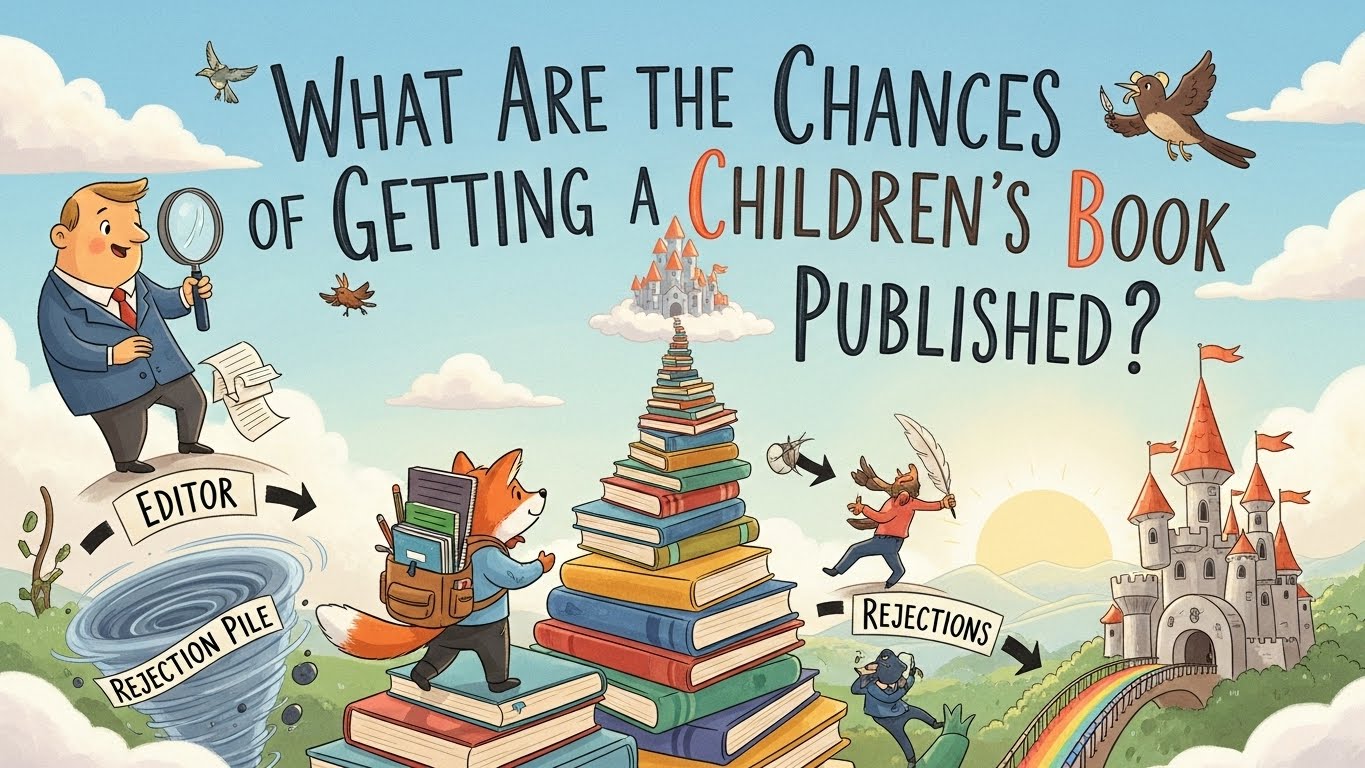
If you’ve written a children’s book, you’ve probably asked yourself one pressing question: What are the chances of getting a children’s book published? The honest answer is that children’s publishing is competitive—but it is far from impossible. Every year, thousands of new children’s books are published by traditional and independent publishers, many of them written by first-time authors. For poets who may need guidance in shaping or polishing their work, professional ghostwriting services can provide valuable support in turning ideas into a compelling manuscript. The challenge lies not only in writing a strong manuscript but also in understanding how the industry works, what publishers are truly looking for, and how to position your book effectively.
This in-depth guide breaks down the real probabilities, the factors that influence success, and the practical steps that improve your chances of publication. If you’re also interested in how other genres navigate submissions, the above blog on Poetry Book Publishers Accepting Submissions offers useful insight into how independent presses assess creative work across genres—and why persistence matters in all forms of publishing.
Understanding the Reality of Children’s Publishing Odds
It’s often said that only a tiny percentage of children’s books get published. While technically true, this statistic is misleading without context.
Most rejections happen because:
- Manuscripts are submitted to the wrong category
- Guidelines are ignored
- Stories are underdeveloped or overwritten
- The book doesn’t match the publisher’s list
When manuscripts are professionally prepared and strategically submitted, the odds increase significantly.
Children’s publishing is selective, not inaccessible.
How Many Children’s Books Get Published Each Year?
While exact numbers vary, thousands of children’s books are published annually across:
- Picture books
- Board books
- Early readers
- Middle-grade novels
This includes books from:
- Major traditional publishers
- Independent and small presses
- Educational publishers
Importantly, many of these books come from new or previously unpublished authors, especially in the picture book category.
What Determines Your Chances of Getting Published?
Your chances are influenced by several interconnected factors—not luck alone.
1. Manuscript Quality
A strong children’s manuscript must be:
- Age-appropriate
- Emotionally engaging
- Clear and concise
- Purposeful in language
Children’s editors read quickly. A manuscript must capture attention early.
2. Understanding Your Audience
Publishers expect authors to understand:
- Who the book is for
- Why it fits that age group
- How it meets children’s developmental needs
Misaligned manuscripts are rejected regardless of writing skill.
3. Market Awareness
Children’s publishing is trend-aware but not trend-driven. Publishers look for:
- Fresh perspectives
- Timeless themes
- Stories that fill gaps in their catalog
Books that closely mimic bestsellers are less appealing.
Chances of Getting a Picture Book Published
Picture books are among the most competitive categories—but also one of the most accessible.
Why Competition Is High
- Short format attracts many writers
- High illustration costs limit acquisitions
- Publishers release fewer picture books per year
Why New Authors Still Succeed
- Picture books don’t require long publishing histories
- Publishers actively seek new voices
- Strong concepts stand out quickly
If your picture book is under 700 words, emotionally resonant, and visually driven, your chances improve dramatically.
Chances of Publishing a Middle-Grade Children’s Book
Middle-grade books require more commitment from publishers.
Challenges
- Longer manuscripts take more time to review
- Strong plotting and pacing are essential
- Competition includes agented submissions
Advantages
- Publishers release more middle-grade titles than picture books
- Series potential increases appeal
- Strong storytelling outweighs trends
Well-written middle-grade novels often find homes with independent publishers first.
How Independent Publishers Improve Your Chances
Independent publishers play a crucial role in children’s publishing.
They often:
- Accept unsolicited submissions
- Take creative risks
- Support debut authors
- Publish niche or diverse stories
For many children’s authors, indie publishers represent the most realistic path to first publication.
Do Literary Agents Increase Your Chances?
Agents can help—but they are not required for success.
How Agents Help
- Refine manuscripts
- Submit to major publishers
- Negotiate contracts
When Agents Aren’t Necessary
- Submitting to independent publishers
- Picture books and early readers
- Early-career authors building credits
Many children’s authors publish their first books without agents.
Common Reasons Children’s Books Are Rejected
Understanding rejection reasons helps put odds into perspective.
Most rejections occur because:
- The story doesn’t fit the publisher’s list
- The age group is unclear
- The manuscript is too long or too short
- The concept lacks originality
- The submission ignored guidelines
Very few rejections are personal or absolute.
How Many Submissions Does It Take to Get Published?
There is no universal number—but patterns emerge.
Many published children’s authors report:
- 10–30 submissions before acceptance
- Multiple revisions between submission rounds
- Years between first draft and publication
Persistence often matters more than raw talent.
How Revision Improves Publishing Chances
Revising strategically can dramatically improve odds.
What Editors Look for in Revised Manuscripts
- Clearer emotional arcs
- Tighter language
- Stronger openings
- Better pacing
Authors who revise thoughtfully stand out over those who submit once and stop.
Does Platform or Social Media Matter?
For children’s books, platform matters less than in adult nonfiction.
Publishers care more about:
- Story quality
- Market fit
- Visual potential
That said, authors with:
- School connections
- Teaching backgrounds
- Literacy experience
may have an advantage in educational markets.
Traditional Publishing vs Self-Publishing: Odds Comparison
Some authors turn to self-publishing after rejection—but the odds differ.
Traditional Publishing
- Lower acceptance rate
- Higher industry validation
- Professional editing and distribution
Self-Publishing
- 100% acceptance
- High financial and marketing responsibility
- Limited bookstore access
Many authors pursue traditional publishing first for credibility.
Children’s Publishing Is Not a One-Shot Game
One manuscript rarely defines an author’s career.
Published authors often:
- Write multiple manuscripts
- Submit over several years
- Learn from rejection feedback
Your chances increase with every project.
Realistic Expectations for Children’s Authors
Understanding timelines is crucial.
From submission to publication often takes:
- 6–12 months for acceptance
- 12–24 months to publication
Children’s publishing rewards patience and resilience.
What Actually Improves Your Chances the Most
Based on industry patterns, the biggest success factors are:
- Writing multiple books
- Submitting to the right publishers
- Revising based on feedback
- Staying informed about the market
Talent matters—but strategy matters just as much.
Encouragement for Aspiring Children’s Authors
The chances of getting a children’s book published are real, achievable, and improving—especially with the growth of independent publishers. While rejection is part of the process, it is not a verdict on your potential. Just as poets find success through independent presses, children’s authors increasingly find publishers willing to champion new voices, diverse stories, and meaningful narratives.
Your odds are not fixed—they grow with effort, knowledge, and persistence.
Final Thoughts:
The chance of getting a children’s book published is not about beating impossible odds—it’s about positioning yourself correctly in a competitive but welcoming industry.
If you:
- Write with intention
- Revise professionally
- Research publishers carefully
- Submit consistently
Then your chances are far better than most statistics suggest.
Frequently Asked Questions (FAQs)
1. Is it hard to get a children’s book published?
It is competitive, but many new authors get published every year—especially through independent publishers.
2. Do first-time authors get children’s books published?
Yes. Children’s publishing actively welcomes debut authors, particularly for picture books.
3. How long does it take to get a children’s book published?
From submission to publication, the process can take 1.5 to 3 years on average.
4. Are independent publishers easier to get published with?
Often, yes. Independent publishers accept direct submissions and are more open to new voices.
5. What’s the best way to increase my chances of success?
Write multiple manuscripts, revise carefully, research publishers, and submit consistently.
Disclaimer: Bestseller Ghostwriting is not associated with any publishers listed on our site. The information provided is for general reference only, and we do not guarantee anything related to submissions, acceptance, or publication outcomes. We offer high-quality ghostwriting, editing, and publishing support to help authors refine their work, but all acceptance decisions rest solely with each publisher.


